
2023 Annual Letter
January 16, 2024
Dear partners, ███, and friends,
The VC industry is still nursing the hangover from its 2020-21 excesses. The Fed’s 11 interest rate hikes in 2022-23, and the evaporation of future capital the industry relied on, produced a harsh wake-up call.
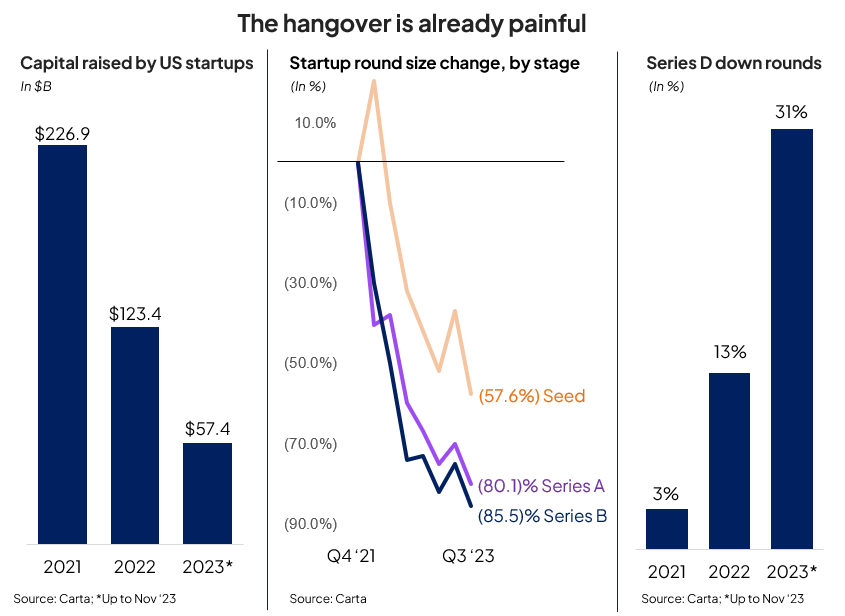
This hangover is real, but likely temporary. At the same time, it may distract some investors from more fundamental industry challenges. An entire generation of venture capitalists and startup founders, including me, have only worked in the industry when capital flowed endlessly into VCs, when investment and fundraising was easy, and when all startups appeared to work.
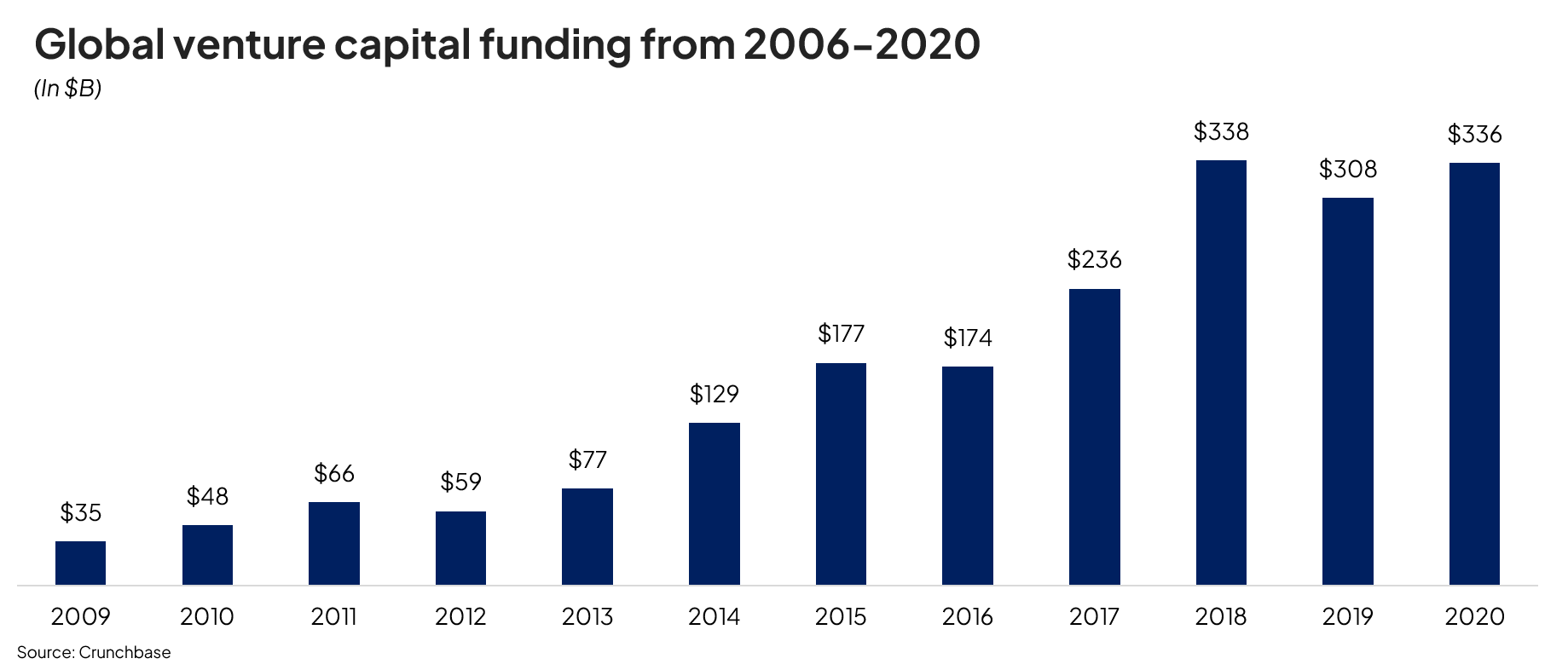
It is unclear where interest rates will go in 2024. Even if rates fall quickly, will LPs be confident or excited about reengaging with venture investing at scale?
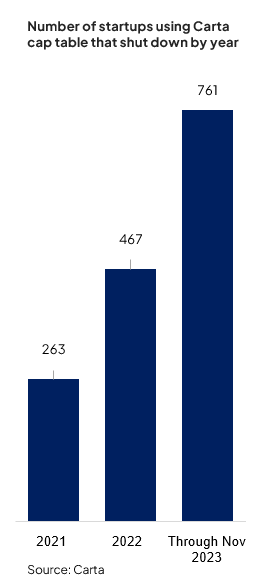
In 2024, I bet we’ll hear a continuing drumbeat of high-profile startups going out of business — and below the radar, there will be 100 times as many quiet collapses. I also think that a number of VCs, who were unable to raise in ’23, will quietly shut their doors.
Viewpoint is too young to be suffering from this hangover. But, attractive investing opportunities haven’t been easy to find in a market that is so seized up. For most of 2023, it looked like we would add one new company, 10-year-old and profitable HealthSherpa, to our portfolio. However, during an unusually busy December, we signed term sheets for two other exciting companies. █████ ███ █████████ ████ ████ ███ ███████ █████ ████ ████ ████████ ██ █ ████ ████████ ██ █ ██████ █ ███ ██████ ███ █████ ████ ██████ ███ ███ █████ ████████ ████ █████ ██ ████████ ██ █████ ██ ███ ███ ██ ███ ██████
These investments represent a few of the ways I think Viewpoint is ████████ ████ ███ ██████ ███████ ████████; ways that may shape how LPs assess our role in their own portfolio. We are stage-agnostic, we create investing opportunities outside established fundraising rounds, and we are deploying capital over three years. As a result, our portfolio companies were founded across a 10-year period (2013 to 2023). ████ █████ ██ ██████ ████ ███ ████ ████████ ██████ ████ ███ ███████████ ██ ███ ████ █████████████ ███████ ██████
I’m not worried about industry-concentration risk either. Even if all our capital were deployed only into insurance ███ █████ ████ ████, our investment decisions are driven by our thesis: There is untapped, venture-accessible “alpha” █████████████ ████████ to be captured by investing in businesses that control distribution in “producer-led” industries.
Is our thesis right? How right? ████ ██████ ██ ███ ██████ ███████ ██████ ██ ███████ ███ ███ ████
Meet the Producers
In these producer-led industries — which can include insurance, but also real estate, wealth management, and even niche markets such as private jet rental — the “producer” is an agent, broker or advisor who finds potential clients and then helps them choose products or services that fit their needs. Compared with faceless call center staff or impersonal digital direct marketing, producers excel at providing peace of mind. Indeed, the very existence of agents, brokers, or advisers signifies that clients demand a high level of assurance to pull the trigger on a purchase.
Their existence also suggests that the market is complex. It might have a large number of hard-to-differentiate manufacturers selling multiple products, which makes it hard to assess which features matter to a specific individual. Complexity can stem from a messy, highly analog market, where there is a value in having a person to play quarterback in the process. But complexity can also come from a service being purchased infrequently, so clients lack experience.
Of course, not every industry with complexity and need for peace of mind has a producer (as anyone who has spent time dealing with illness and the US health care system can attest). For a complex industry to be “producer-led,” there has to be a party willing pay the very high “tax” (commissions or fees) producers take as compensation. After all, agents and brokers need to be recruited, trained, and paid to perform the difficult work of finding and closing clients. In insurance, it’s the manufacturer (insurance company) that is highly motivated to pay this tax. In real estate, it’s the property seller. In wealth management, the tax is primarily paid by the client.
The same market dynamics that create complexity mean that distribution — that is, finding leads and closing sales — is particularly challenging.
Distribution is King
If Viewpoint had a mantra it would be: “Distribution. Distribution. Distribution.” In producer-led industries, if you control distribution, it is like you can push a cheat button. There are a few reasons why. First, startups that deliver new distribution to manufacturers are often paid a percentage of revenue from the sale. This means that the cost of startups’ services do not need to be carved out of an existing budget. Average contract values (ACVs) can quickly grow to eight figures with sale cycles that run just months.
Short sales cycles and high ACVs (and thus LTVs — lifetime value) is a recipe for great VC outcomes.
Conversely, trying to build a business without access to distribution is playing the game on hard mode. SaaS has been one of the most common venture focus areas over the last 20 years, but SaaS businesses don’t control distribution. In insurance, one of the producer-led industries we’re focused on, even though billions of dollars of venture investment was funneled into insurtech starups, I struggle to think of a handful focused on SaaS that have reached $50 million in annually recurring revenue. I can only come up with Shift Technology (2013), Cambridge Mobile Telematics (2010), and Tractable (2014).
(Interestingly, in producer-led industries, it is very hard to sell SaaS to the producers themselves. Agents and brokers are loath to change their day-to-day workflow, especially if it will even temporarily distract them from working with clients. Further, producers typically pay SaaS costs out of their own pockets, making them highly price-sensitive. They often purchase SaaS, fail to actually learn/use it, and then churn off the platform.)
Here’s the key thing: By controlling distribution, startups can generate a flywheel effect leading to “accumulating advantages of scale.” This flywheel starts to spin when a startup controls enough distribution that it gains some leverage over the manufacturer. That allows the startup to raise its “tax.” Now, with additional revenue, the startup can unlock more growth, control more distribution, and gain more leverage.
Private equity has been exploiting this dynamic for two decades by buying up wealth managers, insurance agencies, and insurance brokers, all leading to massive distribution consolidation. By investing in technology (or tech-enabled) companies that can control distribution, we can exploit this same dynamic, but in a more capitalefficient manner.
Controlling distribution is difficult and valuable in most industries, but Viewpoint focuses on producer-led industries because they are so misunderstood by VCs that there remains a huge opportunity that hasn’t been exploited.
Seeking ‘Accumulating Advantages’
As I said, we love this particular subset of businesses because they accumulate advantages as they scale up, which makes them ripe for a large venture outcome. Within this slice of startups, we target ones with attributes that are uniquely attractive in these industries.
All-in-one solution for producers. Producers often spend half of their time, or more, on non-revenue generating business activities. Freeing up their time to find and service more clients is a multi-factorial problem — it involves finance, HR, customer relationship management, and marketing. A holistic solution, one that effectively marries technology and professional services, can make producers much more efficient. These all-in-one solutions are attracting great producers and the bigger these solutions become, the more help and services they can offer. PLACE is exactly this model in residential real estate: it becomes an agent's marketing department, outsourced CFO, CRM, and HR department.
Access marketplaces. Specialized marketplaces that create a single workflow tool through which the producer can access the universe of manufacturers and products can also unlock the distribution leverage flywheel. The more distribution that is run through these marketplaces, the more manufacturers want to integrate and compensate them. Both Thinksurance (German commercial P&C) and HealthSherpa (ACA health plans) are this model. PolicyFly (P&C, E&S) is building the infrastructure to create this model in E&S insurance.
Distribution at point of sale. Platforms and tools that sift through many available options (especially those that are hard to differentiate) can positively affect customer choices at the point of sale. Nayya executes this model in the employee benefits space. Nayya drives higher enrollment and retention rates by leveraging AI and reinforcing the value of benefits to employees year-round. Nayya isn’t a marketplace, but it benefits from the same flywheel effect.
Viewpoint’s portfolio includes companies across stages, industries and these three sub-theses. The only thing we love to talk about more than distribution and flywheels is our portfolio. ██████ █████ ███ ██ ███ ████ █ ████ ████████ ██████ ██ ███ ██ ███ ██████████
Gaining from Network Effects
In 2023, Viewpoint completed another pivotal step: We launched the Viewpoint Forward Network, a group of insurance organizations and individuals who we help keep abreast of insurtech trends, industry changes, and relevant startups. Viewpoint Forward, led by Ori Ben-Yishai (Partner) and Joanna McNamara (Executive Director), now has 85 organization members including 55 insurance carriers.
In its first full year, we matched Forward Network members with hundreds of startups and presented our industry research to dozens of C-suite and management teams. At InsureTech Connect in October, more than 200 executives came to our five-hour session, the Viewpoint Strategy, Corporate Development, and Innovation Summit.
Some of my favorite examples of the feedback we received this year:
“Keeping up with the latest innovations is important to us. Being part of this network is a good way for us to keep track of innovation without investing a lot of resources.”
— COO of a top 5 US life, annuity, and health distributor
“[We] appreciate being a part of your network and the valuable insights you and team provide.”
— Senior Managing Director of a top 3 global insurance broker
“The Viewpoint kickoff summit at ITC was the best and most useful session I attended at the conference.”
— Vice President, Innovation at a top 20 global insurer
“It’s hard for us to keep up with all trends and potential value to our business lines. The Forward Network is an
efficient way for us to stay on top of those trends.”
— COO of a top 10 US annuity carrier
██ ████ ████████ ███ █████████ ███████ ███████ ██ ████████ █████ ███ ███ ████ ███ ██ █████ ██ ███ ███ █████ █████ █████ ████ ██ ██ ████████
Viewpoint Forward Network Case Study: Nayya
In 2020, as a senior investor at a previous fund, I tried (unsuccessfully) to lead Nayya’s Series A. The fund I worked for was owned by an insurance company. Until reaching scale, Nayya was committed to independence and neutrality within the industry.
Not surprisingly, Sina Chehrazi, the founder and CEO of Nayya, was one of the first calls I made after the launch of Viewpoint Ventures. Nayya, however, had just closed a large fundraising round that provided it with plentiful cash reserves. No matter how much Viewpoint liked the company, it did not need our money.
What we could offer, however, was help with industry introductions via our Viewpoint Forward Network. For instance, our network was connected to one of the largest providers of voluntary employee benefits in the world. As we came to understand that carrier’s strategic priorities, we recognized that Nayya’s technology had the potential to catalyze the kind of growth it was looking for. We introduced the two parties and actively supported both as they formed a partnership that was announced a year later in late 2023.
████ █████████ ██ ███ ████ █████████ ███ ████████ █ ████ ████ █ ████ ██ ██ ██ ██████ ██ ██████████ ██ ███ ██████████ █████ ████ █ ██████████ █████ ██████ ██████████. And as the company continues to develop new products and relationships, many industry CEOs and business heads seek Sina’s perspectives on the ongoing transformation of employee benefits.
Fortunately, Nayya also became a Viewpoint portfolio company through secondary transactions that Sina helped facilitate.
We love the Nayya story at Viewpoint. ████ ████ ██ ███ █ ███████████ ███ ███████ ███████ ████ ██████ █████ ███ ███ ██████ ███████ ████ ████ ████████ ████ █████ ██████ ██ ███ ██████████ ████ █████████ ██ ███ ███████ ███████ ████ ████████ ██ ███ ████
New Additions and Enhancements
Viewpoint also invested in expanding our team in 2023. Joe Guastella, who was formerly the Global Head of Deloitte Consulting for Financial Services and Insurance, came aboard as a Venture Partner. Sean Song and Christine Mockus are our new Senior Associates on the investing team. Our investing team, run by Partner Ryan Frisbie, met with 600 startups last year and facilitated hundreds of industry introductions for them. We are able to do this because of Viewpoint Forward. We’re willing because we know it is raising our profile and generating goodwill for Viewpoint.
“No other VC has made as many introductions for me as Viewpoint has, and you’re not even on my cap table!”
Founder and CEO of life insurancefocused startup at Series B stage
“Because of the intros you guys have made — which no one else is doing — you guys can participate in our round.”
Founder and CEO of a new insurance-focused AI startup
Finally, Viewpoint made some vital upgrades in our operations and finance capabilities last year as well. We moved from First Republic to Chase, changed fund administration to Aduro, upgraded our CRM, and added world-class cybersecurity, IT support, and valuation capabilities. █████ ███ ███ █████ ██████ ███ ██ █████ ████████ ████ ████ ███ ██ ██ ███ ██████ ██████ ██ ████ ███ This work was led by Vice President of Operations and Finance, Geo Mandell.
All of this was hard. All of this is exciting. We expect even more, even better, even bigger things in 2024. Thank you for being on this journey with us. ██ ███████ ██████ █████ ███ ██ ███ ████ ██ ████ █████ ███████ ████████ ███ ██████████ ██ ███████ ████████ ████ █████████ ████████ ██ ███ ████ ██████
Fondly,

Drew Aldrich, Managing Partner
Building in a producer
market? Let’s talk